Reliable Hardscaping Solutions for Residential Landscapes
Enhance Your Outdoor Environment: Professional Landscaping Advice for a Beautiful Residential Garden
Reshaping an exterior setting into a beautiful home garden demands strategic design and intentional action. By assessing the unique characteristics of a property, people can establish specific landscaping goals. Selecting plants flourish in the local climate is essential. In addition, adding functional landscape elements improves both beauty and usability. Nonetheless, the path doesn't conclude at that point. Discovering how to maintain beauty and ecological health can elevate any garden to the next level. What approaches produce successful lasting results?
Analyze Your Yard to Set Your Landscape Design Goals
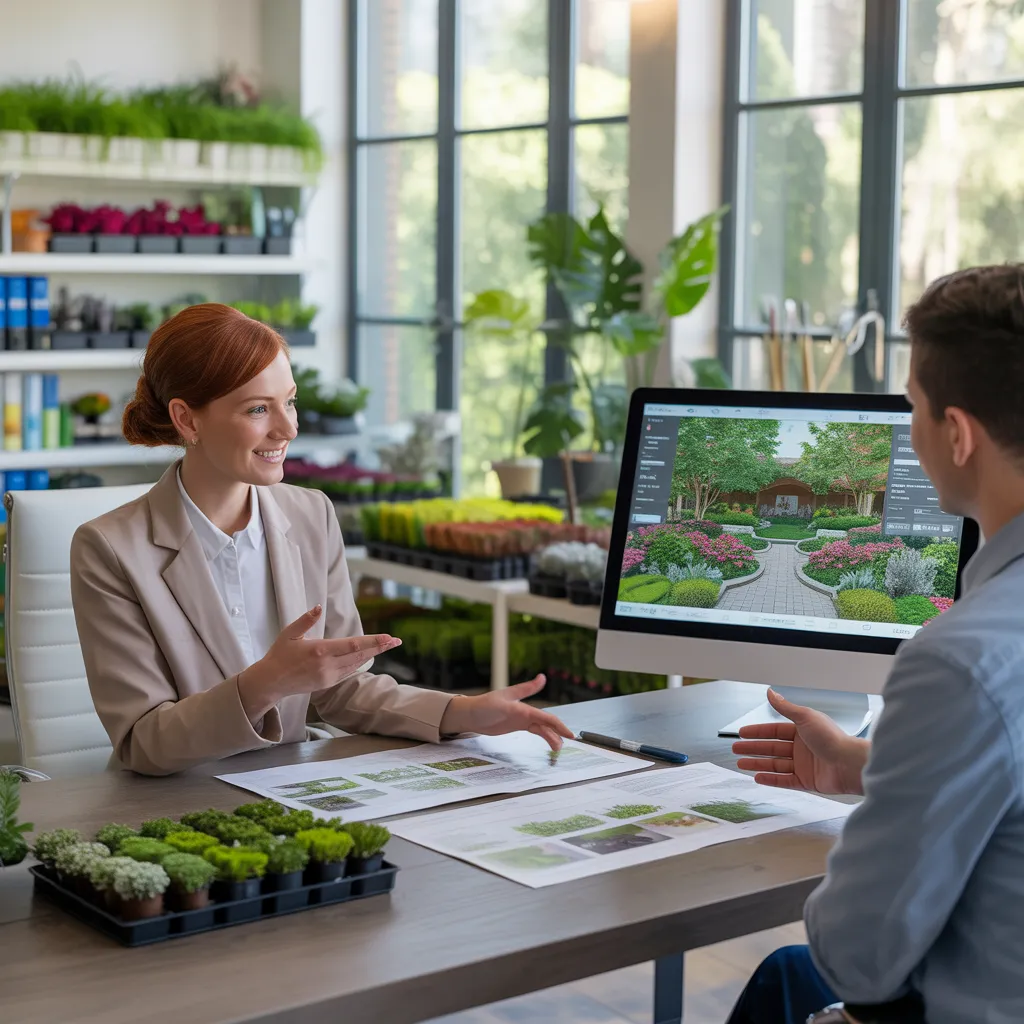
Before starting any garden project, it is vital for homeowners to carefully evaluate their exterior space. This initial evaluation enables them to understand the specific features of their yard, such as sun exposure, ground quality, and current plant life. Pinpointing these factors aids in determining what types of design elements can be successfully added into the space.
Homeowners should document measurements and record any barriers including trees, fences, or pathways that could influence the design. Additionally, understanding personal preferences and lifestyle needs—including areas for entertainment, gardening, or relaxation—can direct the landscaping goals. By clearly defining these aims, homeowners set a strong base for a cohesive and functional outdoor environment. This thoughtful evaluation leads to a greater and satisfying garden renovation, ensuring the outdoor space improves not just the home's aesthetic but furthermore meets the functional requirements of its residents.
Determine the Perfect Plant Selection for Your Local Environment
Picking ideal vegetation for a specific climate is Hardscaping important for creating a thriving outdoor space. Comprehending local weather patterns, such as temperature ranges, precipitation, and humidity, helps homeowners select plants that will flourish. Indigenous vegetation often adapt best, needing less maintenance and water. As an instance, drought-resistant varieties are ideal for arid regions, while water-preferring plants thrive in humid climates.
Gardeners should additionally consider climate variations; choosing plants that provide year-round interest improves the landscape. Early bloomers, summer perennials, and vibrant fall foliage can create a striking visual display. Moreover, consulting local gardening centers or extension services can provide helpful information into sturdy vegetation suited to specific conditions.
In the long run, a strategically designed plant selection enhances not only visual appeal but additionally promotes local wildlife and supports environmental sustainability, which makes it a smart decision for every outdoor space transformation.
Improve Your Garden Using Functional Hardscaping Features
Functional hardscaping elements serve as essential components in defining outdoor spaces and enhancing their usability. By incorporating seating areas and thoughtfully constructed walkways, homeowners can create appealing outdoor areas that encourage leisure and circulation. Additionally, edging can define different zones within the garden, establishing layout and visual interest.
Structure Your Exterior Environment
Creating a well-defined outdoor space can transform a garden into an welcoming sanctuary. One effective way to achieve this is through practical hardscape features, which establish structure and layout. Pathways made from brick or stone guide visitors while adding visual interest. Support walls can establish layered heights, enhancing the garden's overall design and stopping soil loss. Fencing or trellises can delineate boundaries, providing privacy and a feeling of containment. Adding elevated planting areas not only defines planting areas but also improves accessibility. These elements function together to create distinct zones that improve both visual appeal and practicality. Ultimately, a clearly organized outdoor space fosters a serene environment where homeowners can unwind and appreciate the outdoors.
Include Outdoor Seating Spaces
Incorporating sitting zones into an outdoor space greatly enhances its usability and attractiveness. By integrating functional hardscaping elements, homeowners can establish welcoming areas for relaxation, socializing, or enjoying nature. Options include benches, patio sets, or hammocks, each adding to the landscape's visual appeal and coziness. Strategically placing seating near focal points, such as flower beds or water features, prompts visitors to interact with their surroundings. Additionally, using materials like stone or wood can complement the garden's design, maintaining visual unity. Shade structures, such as arbors or parasols, offer relief during hot seasons, making these areas usable year-round. Ultimately, well-designed seating areas convert a standard yard into a pleasant sanctuary for loved ones and guests.
Design Walkways And Edges
Borders and pathways function as important components in exterior planning, moving visitors through the garden while improving its structural excellence. They support structure and direction, helping identify separate regions and botanical options. Brick, stone, or gravel options can build permanent passages, while borders derived from decorative screens or vegetation enrich visual attractiveness. Pathways can prompt exploration, showcasing areas like flower displays or water features. Well-maintained borders minimize unwanted vegetation and landscape erosion, promoting garden vigor. When combined, pathways and borders improve practicality while improving stylistic appeal of your outdoor area, creating areas that are more attractive and satisfying.
Build Flow Using Pathways and Sitting Zones
A thoughtfully designed exterior area regularly showcases a cohesive circulation created through strategically arranged pathways and rest areas. Pathways lead people throughout the garden, developing a strong sense of navigation while improving the aesthetic appeal. Applying selections including gravel, stone, or wood can improve the path's beauty and support durability.
Rest zones offer resting spots, encouraging visitors to stop and enjoy the environment. Placing seating deliberately near highlights, like a water feature or a planted area, promotes engagement with the outdoor setting. Your seating selection—chairs, benches, or even swings—will affect the mood, whether formal or relaxed.
Combining walkways and sitting spaces generates a warm environment, upgrading utility and contentment. In tandem, they construct a smooth flow between distinct areas of the garden, stimulating exploration and rest, ultimately reshaping any exterior setting into a calm escape.
Enrich Your Outdoor Space With Seasonal Shades and Character
To boost the decorative value of a garden, strategic selection of seasonal species is vital. Mixing contrasting surface qualities can establish dimension and appeal, while intentionally positioned centers of interest can grab focus and establish a harmonious arrangement. These components in combination promise a vibrant and active outdoor area across the year.
Select Seasonal Plants with Care
Choosing plants for different seasons thoughtfully can convert your garden into a stunning array of hues and forms. By picking plants with staggered blooming periods, gardeners can ensure an ongoing showcase of flowers. Spring bulbs, summer-flowering plants, autumn perennials, and cold-season evergreens each contribute unique hues and forms to the landscape. It is essential to take into account local climate conditions and soil types, as well as the plants' growing patterns. Native species often thrive better and require less maintenance, enhancing biodiversity. Additionally, combining plants with varying heights and bloom times can create a dynamic visual effect. Ultimately, thoughtful selection fosters a garden that evolves with the seasons, offering a delightful experience year-round.
Develop Texture Combinations To Create Depth
Making depth in a garden involves blending textures that harmonize with and boost seasonal colors. By incorporating a variety of plants with differing foliage shapes, sizes, and colors, one can establish a dynamic garden composition. For instance, the use of broad-leaved plants alongside fine-textured grasses can create contrast and intrigue. Additionally, weaving in bark, gravel, and ecological materials introduces tactile elements that enrich the overall experience. Seasonal blooms must be strategically situated to deliver color highlights across all seasons, ensuring that each layer remains visually interesting. This strategic plan not only draws the eye across the garden but also fosters an immersive atmosphere where every detail contributes to the garden's beauty and harmony.
Incorporate Focal Points Strategically
Artfully positioning primary visual elements can substantially elevate a garden's aesthetic appeal and seasonal vibrancy. These primary focal elements serve as anchors that draw the eye and create a cohesive design. Gardeners can utilize elements such as sculptures, ornamental trees, or vibrant flower beds to establish visual magnetism. Colorful blooms can be infused through the deliberate curation of plants with varying bloom schedules, preserving the garden's energy throughout all seasons. Textural elements also play a significant role; uniting smooth pathways with rugged surfaces or abundant greenery provides dimension. By carefully positioning these details, a gardener can construct a hospitable setting that inspires investigation and admiration, transforming an outdoor space into an engaging retreat.
Implement Eco-Friendly Strategies to Create a Vibrant Garden
Adopting eco-friendly approaches is essential for cultivating a flourishing garden that flourishes in harmony with the ecosystem. Horticulturists are urged to use native plants, which need reduced irrigation and attention while supporting local wildlife. Applying sustainable horticultural practices, including organic waste management and biological insect control, can remarkably lower synthetic chemical use, fostering a stronger ecosystem.
Water-efficient techniques, such as drip irrigation and rain capture, boost eco-friendliness by maximizing efficient resource allocation. Mulching not only retains hydration additionally suppresses unwanted plants, minimizing the demand for chemical weed control. Moreover, fostering ecological diversity by incorporating a variety of plants promotes durability against insects as well as pathogens.
Soil quality is critical; strategies including crop cycling and cover crops sustain nutrient levels excluding the need for artificial nutrients. By adopting these green methods, horticulturists can establish a thriving area that fosters vegetation and the environment, resulting in a more satisfying horticultural experience.
Resolve Typical Problems to Maintain All-Season Landscape Beauty
A carefully-tended area can encounter multiple obstacles during all seasons, influencing its combined aesthetics and well-being. Common issues consist of insect problems, insufficient nutrients, as well as water shortage. Spotting pests quickly is important; growing enthusiasts should frequently inspect vegetation for damage indicators along with address pest issues with organic solutions or instead incorporating helpful insects.
Nutrient deficiencies commonly appear as discolored leaves along with reduced growth. Doing soil examinations can enable pin down specific demands, enabling to enable focused fertilization Nutrient deficiencies often manifest as yellowing leaves or limited growth. Performing soil tests can assist identify particular requirements, making possible focused nutrient application restoring balance. Additionally, maintaining appropriate watering is crucial; excessive watering can cause rotted roots, on the other hand insufficient watering challenges vegetation.
Weather transitions furthermore demand changes to maintenance. Throughout winter, applying mulch safeguards root systems against cold, while summer could necessitate higher water needs along with shade for fragile plants. By addressing such typical problems promptly
Is it Better to Perform Landscaping Myself or Engage a Professional?
One can certainly undertake landscaping projects independently, leveraging digital tools and creativity. However, engaging an expert guarantees knowledge, productivity, and enhanced results, especially for complex designs or larger projects that require specialized skills.
What Items Are Important for Home Landscaping?
Important implements for home garden work consist of a standard rake, garden shovel, spade, pruning scissors, garden fork, and a irrigation hose or water can. These implements help in productively handling soil, plants, and complete garden maintenance, guaranteeing successful landscaping.
What Strategies Should I Follow to Maintain My Yard Across the Calendar Year?
For caring for a yard all year long, you should routinely prune garden plants, spread mulch for insulation, check water levels, and implement seasonal planting approaches. Moreover, pest control and feeding are vital for vigorous, healthy vegetation.